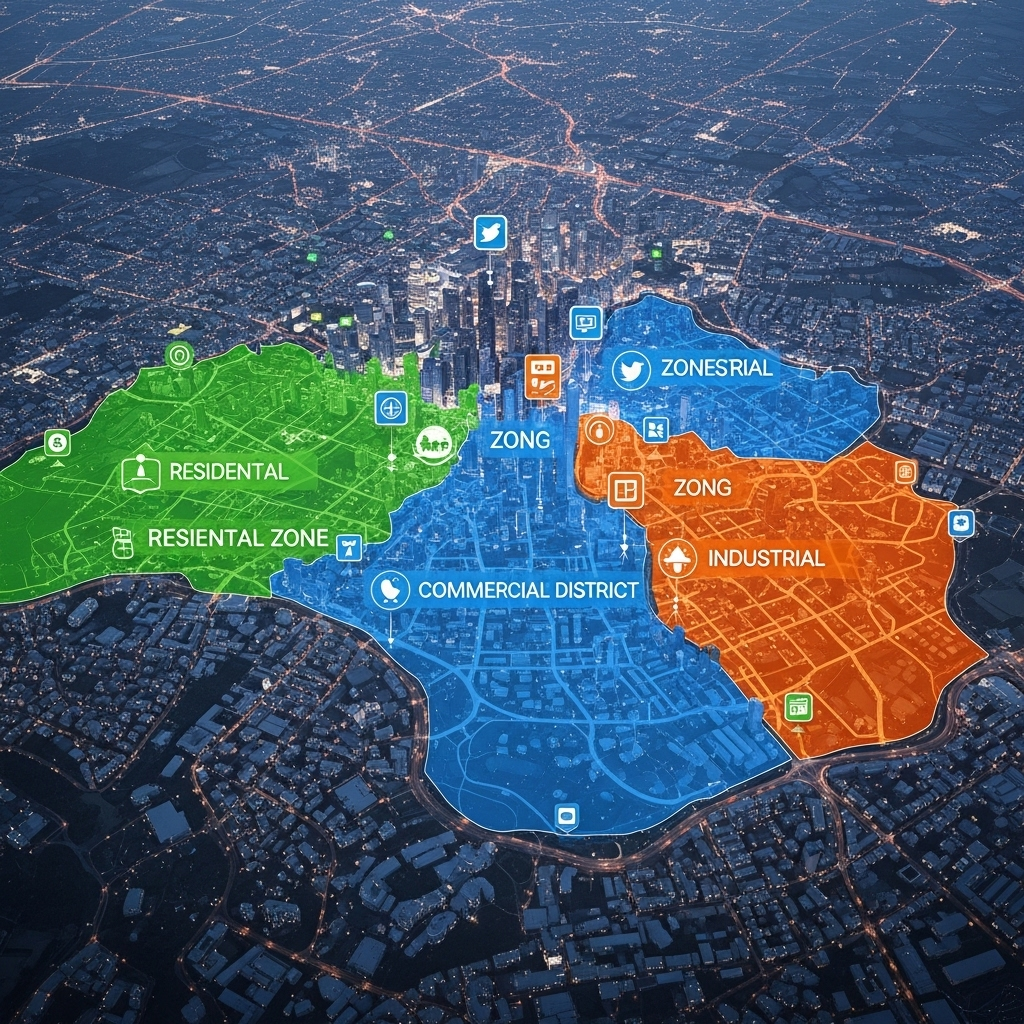
Introduction to Modern Zoning Laws
Zoning regulations form the backbone of urban planning and property development. As we enter 2024, understanding these regulations has become more crucial than ever for property owners, developers, and real estate professionals.
What Are Zoning Regulations?
Zoning regulations are legal mechanisms used by local governments to control the physical development of land and the kinds of uses to which each individual property may be put. These regulations typically specify:
- Permitted uses for land and buildings
- Building height restrictions
- Lot coverage and density requirements
- Setback requirements from property lines
- Parking requirements
Major Zoning Categories
Residential Zoning (R-Zones)
Residential zoning is designed to protect the character of neighborhoods and ensure compatible land uses. Common subcategories include:
-
R-1: Single-Family Residential
- One dwelling unit per lot
- Minimum lot sizes typically range from 5,000 to 20,000 square feet
- Height restrictions usually limited to 35 feet
-
R-2: Two-Family Residential
- Allows duplexes and two-family homes
- Slightly higher density than R-1
- Common in transitional neighborhoods
-
R-3/R-4: Multi-Family Residential
- Apartments and condominiums
- Higher density development
- Often requires special permits for large projects
Commercial Zoning (C-Zones)
Commercial zones accommodate business activities and vary based on intensity and impact:
- C-1: Neighborhood Commercial - Small retail and service businesses
- C-2: General Commercial - Larger retail, offices, and entertainment
- C-3: Central Business District - High-intensity downtown development
Industrial Zoning (I-Zones)
Industrial zones separate manufacturing and heavy commercial uses from residential areas:
- I-1: Light Industrial - Warehouses, light manufacturing
- I-2: Heavy Industrial - Manufacturing plants, processing facilities
Recent Changes in 2024
Sustainability Requirements
Many jurisdictions now incorporate green building standards into their zoning codes:
- Solar panel installation allowances
- Green roof requirements for large developments
- Stormwater management mandates
Accessory Dwelling Units (ADUs)
To address housing shortages, many cities have relaxed ADU regulations:
- Streamlined approval processes
- Reduced parking requirements
- Increased size allowances
Mixed-Use Development
The trend toward walkable communities has led to more flexible mixed-use zoning:
- Combined residential and commercial uses
- Reduced parking requirements near transit
- Form-based codes focusing on building design
Navigating Zoning Compliance
Research Tools
- Online Zoning Maps - Most cities now offer interactive GIS-based zoning maps
- Municipal Code Libraries - Searchable databases of local ordinances
- ZoningLabs Platform - Our comprehensive tool for zoning analysis
Common Pitfalls to Avoid
- Assuming Similar Cities Have Similar Codes - Always verify local regulations
- Ignoring Overlay Districts - Special requirements may apply
- Forgetting About Variances - Options exist for unique situations
The Variance and Special Permit Process
When your project doesn't conform to existing zoning:
Variances
Variances provide relief from specific zoning requirements when:
- Strict application creates unnecessary hardship
- The variance won't alter neighborhood character
- The hardship is unique to the property
Special Permits
Special permits allow uses that require additional review:
- Conditional uses in certain zones
- Projects exceeding size thresholds
- Uses with potential neighborhood impacts
Best Practices for Property Developers
- Early Consultation - Engage with planning staff before designing
- Community Engagement - Build neighborhood support early
- Professional Assistance - Consider hiring land use attorneys or consultants
- Flexibility in Design - Be prepared to modify plans based on feedback
Technology and Zoning Analysis
Modern technology has revolutionized zoning research:
- AI-Powered Analysis - Automated code interpretation
- 3D Modeling - Visualize compliance with height and setback requirements
- Real-Time Updates - Stay informed of code amendments
Looking Ahead
As cities evolve, expect zoning regulations to continue adapting:
- Greater emphasis on affordable housing requirements
- Climate resilience standards
- Flexible work-from-home provisions
- Enhanced pedestrian and bicycle infrastructure requirements
Conclusion
Understanding zoning regulations is essential for successful property development and investment. While complex, these rules serve important purposes in creating livable, sustainable communities. By staying informed and utilizing available resources, property professionals can navigate the zoning landscape effectively.
For automated zoning analysis and compliance checking, explore ZoningLabs' comprehensive platform designed to simplify your property development journey.
About Shen Huang
Expert Zoning Analyst
Expert in real estate analysis and zoning regulations. Passionate about helping property professionals make data-driven decisions.